Seven Helpful Marine Lubricants
I recently attended a workshop on how to maintain and service fishing reels. The instructor with 30 years of experience in this field said that he uses as many as seven kinds of lubricants on a single reel. That made me ponder how many types of lubricants I use in servicing my boat on a DIY basis. I took a look in my shop and put aside the normal service lubes such as engine oil, gear oil, and the marine grease I apply via engine Zerk fittings. That left me with seven lubes that I use often for special boat projects.
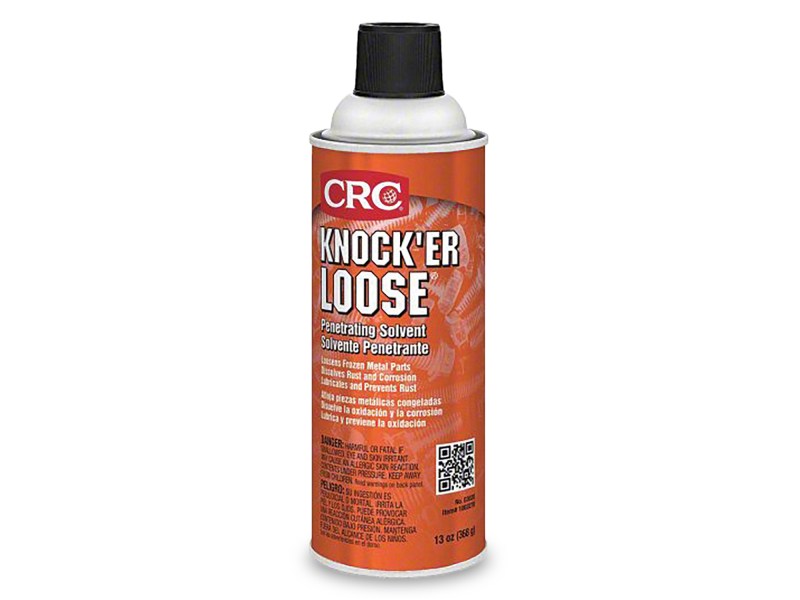 CRC Knock’er Loose helps loosen corroded fasteners.
Courtesy CRC
BUY NOW
Knock’er Loose
Loosening stuck bolts and nuts is the bane of boating maintenance and repair, but a penetrating lubricant can help. PB Blaster was my top selection for years. Now I prefer Knock’er Loose from CRC ($16.99 for a 13-ounce spray can; amazon.com). It smells more pleasant than Blaster and it penetrates to loosen corroded fasteners. I spray all around the thread, tap on the fastener, then let soak. It’s not 100 percent effective, but it works often enough that I always have it ready to use.
LanoCoteWhen assembling dissimilar metals such as aluminum and stainless steel, a barrier layer of LanoCoat from Forespar ($17.19 per 4-ounce jar; amazon.com) helps prevent galvanic corrosion of the lesser-noble metal. This lanolin-base compound displaces water, forming a moisture barrier to prevent corrosion on all types of metals that are subject to saltwater exposure. I coat both mating surfaces before assembly to seal the surfaces and help assure easy disassembly when the time comes.
MareLube TEF45MareLube TEF45 from Forespar ($34.36 for a 4-ounce jar; amazon.com) is a synthetic 45-percent Teflon grease designed for high load and extreme-pressure lubrication, anti-wear, anti-corrosion, and anti-seize applications. It is very sticky and refuses to wash off of metal. I use it to grease the splines of outboard-engine drive and prop shafts. I also use it to grease the tow ball and trailer coupler. TEF45 also has an extremely wide operating temperature range.
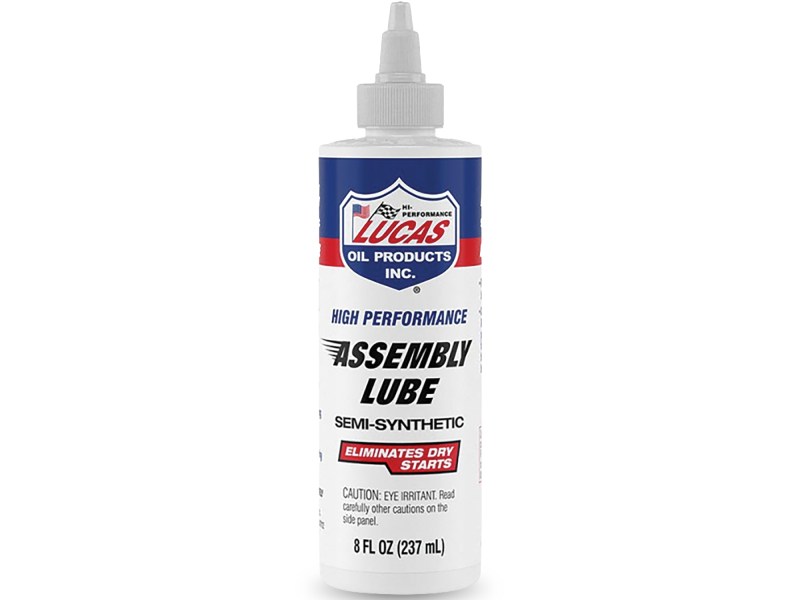 Lucas Oil Assembly Lube prevents galling of stainless steel or any other metal.
Courtesy Lucas Oil
Lucas Oil Assembly Lube
Stainless-steelfasteners have a habit of galling during assembly, welding themselves together. Then you need to cut them off. Lucas Oil’s Assembly Lube ($11.57 per 8-ounce bottle; amazon.com) will keep the threads turning and prevents galling of stainless steel or any other metal. I especially like it for large stainless-steel bolts and nuts that are particularly prone to galling. Lanolin or LanoCoat also works well for preventing galling.
Permatex Anti-SeizePermatex Anti-Seize Lubricant ($13.99 for an 8-ounce jar; amazon.com) ensures that fasteners don’t seize during assembly, and will disassemble easily, even with dissimilar metals. It’s copper-free formulation will not cause galvanic corrosion of aluminum parts. The built-in brush in the lid makes it easy to apply on bolt threads.
Read Next: How to Change Sterndrive and Outboard Gearcase Lubricant
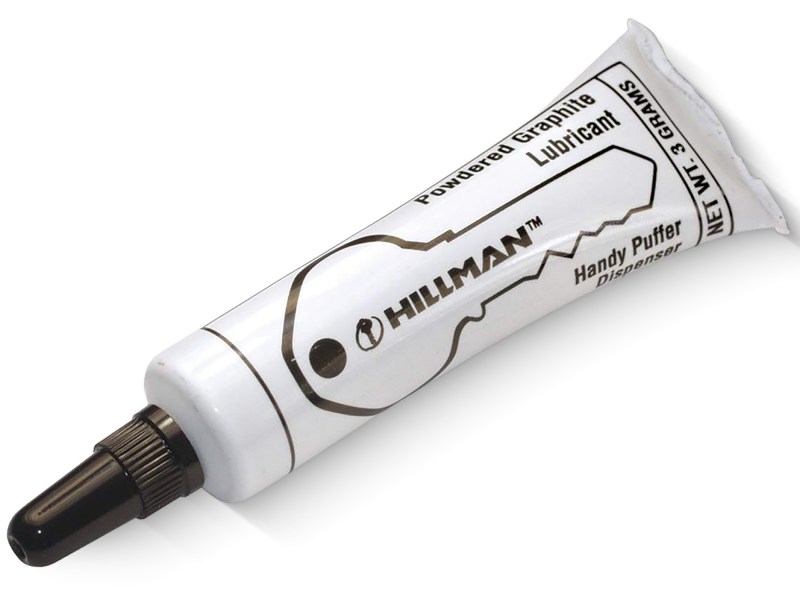 Powdered graphite keeps locks working without gumming them up.
Courtesy Hillman
Hillman Powdered Graphite
Resist the temptation to spray WD40 into balky locks. It will turn gummy and attract dirt and grit, making the lock even harder to turn. Instead, I use Hillman’s Powdered Graphite ($6.98 per 3-gram tube; amazon.com). This dry lube gets the tumblers in the lock spinning freely and keeps them that way without gumming them up.
CRC Dielectric GreaseCRC Dielectric Grease ($25.23 for a 3.3-ounce bottle; amazon.com) is my choice for protecting marine electric connections against corrosion, while also offering an insulating quality. I coat the connections only after terminals are assembled because dielectric grease is non-conductive and can degrade electrical conductivity if used otherwise.
The post Seven Helpful Marine Lubricants appeared first on Boating Mag.